Clean energy infrastructure at the heart of Africa’s industrial growth corridor.
Afrigrid is developing the first phase of a 200MW solar platform in Zambia, structured against long-term contracted revenue and secured by the country's new Open Access energy legislation.
-01
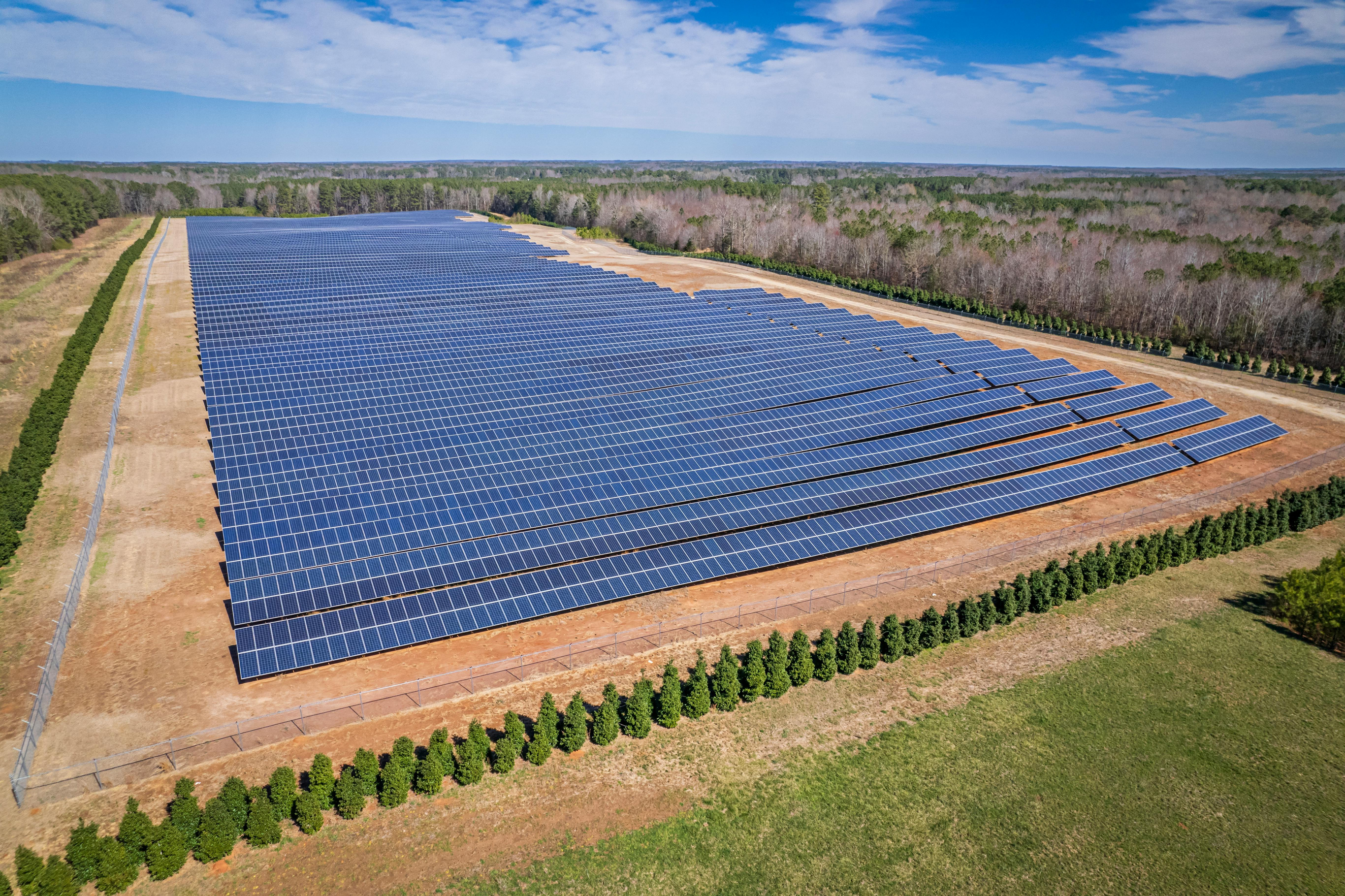
Greenfield utility-scale generation, sited adjacent to Zambia’s industrial demand centres.
Market Scale
Copper production target
Lobito Corridor capital
Greenfield rail link
-
GeographyPositioned at the centre of Southern Africa’s industrial corridor.
Zambia sits at the intersection of the Copperbelt, the Lobito Corridor, and the SAPP regional power pool - giving Afrigrid direct line-of-sight to the largest concentration of energy-intensive industrial demand on the continent.
Central Southern Africa
01
A new energy market. Built by regulation, not aspiration.
For decades, Zambia's energy sector was controlled by a single state utility. Every megawatt generated, transmitted, and sold passed through one monopoly. The result: chronic underinvestment, hydro deficits, and nationwide load-shedding that made industrial planning nearly impossible.
The government has changed that. Updated electricity legislation introduced sweeping Open Access reforms, giving licensed IPPs the right to bypass the state utility entirely - negotiating Power Purchase Agreements directly with private industrial consumers and wheeling power over the national grid at a standardised fee.
Afrigrid holds an IPP licence under this framework. We are not dependent on a government offtake guarantee. We sell directly to the people who need the power.
02
The Lobito Corridor is the biggest industrial catalyst in the region. Energy is the bottleneck.
The Lobito Corridor - a G7 Partnership for Global Infrastructure project backed by combined US, EU, and African Development Bank commitments - is an 800km greenfield rail link connecting Zambia's Copperbelt to the Angolan coast. It is on track for groundbreaking in 2026 and represents more than $6 billion in committed Western capital.
Zambia's copper production target rises from 800,000 metric tonnes to 3,000,000 metric tonnes. The mining, refining, processing, and logistics operations required to reach that target are all heavily energy-intensive. The national grid cannot supply it.
Western mining conglomerates operating in the region face strict carbon-border mandates from their home markets. To export to the US and EU, they require verifiably clean, reliable power. That requirement creates immediate, bankable demand for what Afrigrid produces.
03
Long-term contracted revenue, indexed to the dollar.
Afrigrid's revenue model is built on 15–25 year Power Purchase Agreements negotiated directly with creditworthy private off-takers. Pricing is USD-indexed, providing complete insulation from Zambian kwacha volatility and satisfying the requirements of institutional project finance.
Phase 1 establishes the legal, environmental, grid-wheeling, and commercial frameworks that become the repeatable blueprint for subsequent 50MW phases - scaling the platform efficiently to 200MW total installed capacity across Zambia's high-demand industrial hubs.
04
Phase 1 development capital. Positioned ahead of a significant valuation event.
Current investment enters at the feasibility stage. Successfully completing the Phase 1 development milestones - land acquisition, EIA, grid connection studies, PPA structuring, and licensing - directly precedes construction commencement and triggers a material uplift in project valuation before the main capital deployment.
Investors have three options at the construction stage: maintain equity participation into construction alongside institutional debt capital; participate pro-rata in subsequent 50MW phases as the platform scales; or take a full exit via secondary sale at construction close, once feasibility completion is fully reflected in project value.
To discuss the opportunity, please get in touch directly.